12160 West Central Avenue
Wichita, KS 67235

The Hidden Dangers of Human Foods That ‘Seem’ Healthy for Pets
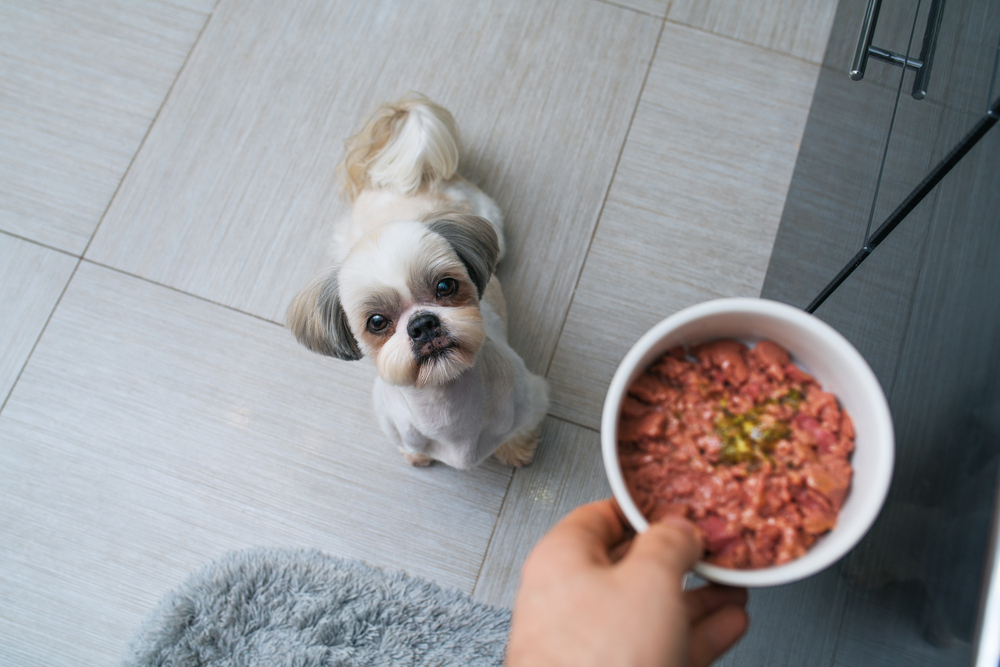
Many foods that are considered healthy for people can still cause digestive upset, toxicity, or longer-term health problems in pets. Dogs and cats process foods differently, so ingredients that seem harmless in your kitchen may not be safe in your pet’s bowl.
Fruits and Vegetables Can Still Cause Problems
Some produce is safe in small amounts, but others can be risky. Grapes and raisins are among the most serious examples because they can lead to kidney damage in dogs. Onions, garlic, and chives can also harm red blood cells and may cause anemia. Even foods that are not toxic can still trigger vomiting, diarrhea, or stomach pain if they do not agree with your pet.
“Natural” Snacks Are Not Always Better
Pet owners often share yogurt, peanut butter, trail mix, or dried fruit because these foods sound wholesome. The problem is that many of these products contain added sugar, salt, artificial sweeteners, or high fat levels. Xylitol, a sugar substitute found in some peanut butters and other low-sugar foods, is especially dangerous for dogs. Nuts and rich dairy products can also upset the stomach or contribute to pancreatitis in some pets.
Human Foods That Often Cause Trouble
Even small portions of certain foods can create real health concerns. Watch out for:
- Grapes and raisins
- Onions, garlic, and chives
- Avocado
- Macadamia nuts
- Xylitol-sweetened foods
- Fatty meats and rich leftovers
- Dried fruits with added sugar or preservatives
Portion Size Matters More Than People Think
Even pet-safe foods can become a problem when pets eat too much. Extra calories from table scraps may lead to weight gain, digestive upset, and unbalanced nutrition over time. Smaller pets are especially vulnerable because even a few bites of a rich or toxic food can have a bigger effect on their bodies. Treats, including fresh foods, should stay limited and appropriate for your pet’s size and species.
When to See Your Vet
Call your veterinarian right away if your pet eats a questionable food or starts showing signs like vomiting, diarrhea, drooling, weakness, tremors, bloating, or unusual tiredness. It is also a good idea to see your vet if your pet has ongoing stomach sensitivity, frequent food reactions, or sudden changes in appetite. Quick action can make a major difference when food toxicity or pancreatitis is involved.
Ask Before You Share
The safest way to offer treats is to choose foods and portions your veterinarian has approved for your pet. What helps one pet may not be right for another, especially if there are allergies, weight concerns, or underlying health conditions. A simple question before sharing food can help you avoid an unnecessary emergency.
Quick Links

All Services
Learn More
Keep
In Touch
MAP
© 2026 Oakcrest Pet Hospital. All rights Reserved - Accessibility Statement - Privacy Policy - Sitemap
Powered by
